
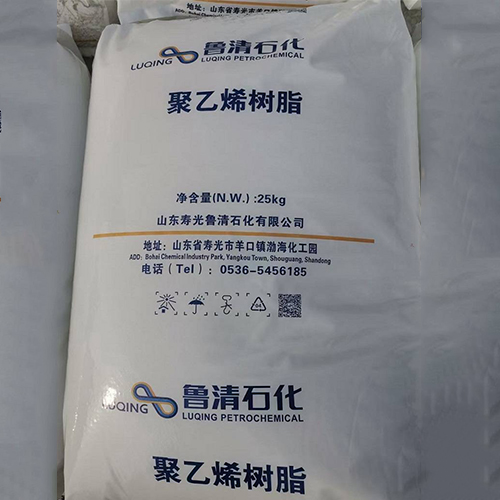
In recent months, the polythene market has been experiencing notable fluctuations in prices, prompting significant attention from manufacturers, suppliers, and end-users alike. Polythene, a widely used plastic material known for its versatility and cost-effectiveness, is fundamental to industries ranging from packaging and agriculture to automotive and consumer goods. Understanding the drivers behind these price changes and their implications for the sector is essential for businesses and stakeholders aiming to navigate this evolving market landscape effectively.
**Market Dynamics Shaping Polythene Prices**
Several factors have contributed to the recent variability in polythene prices. Global economic conditions, raw material availability, production costs, and shifts in demand have all played crucial roles.
One of the primary drivers is the fluctuation in crude oil prices. Since polythene is derived from petrochemical feedstocks, any increase in oil prices tends to raise production costs for manufacturers. Conversely, when oil prices decline, a reduction in polythene prices is often observed. Additionally, supply chain disruptions—caused by geopolitical tensions, transportation bottlenecks, or natural disasters—have intermittently affected raw material procurement, impacting overall market supply and pricing stability.
Furthermore, increasing environmental regulations worldwide are influencing production methods and material sourcing, often leading to increased operational costs for manufacturers who invest in greener, sustainable practices. This shift, while beneficial for long-term sustainability, can result in short-term price adjustments.
Demand trends also exert pressure on polythene pricing. The surge in e-commerce and retail packaging has amplified demand for plastic packaging materials, including polythene films and bags. Simultaneously, industries such as construction and agriculture continue to rely heavily on polythene products, steering consistent consumption patterns. However, increased consumer awareness regarding plastic waste and the push towards biodegradable alternatives create a complex demand environment where traditional polythene products face mounting competition.
**Shandong Pufit Import and Export Co., Ltd.: A Pillar in the Plastics Industry**
Amid these market dynamics, companies with deep industry experience and a commitment to quality have demonstrated resilience and adaptability. One such company is Shandong Pufit Import and Export Co., Ltd., a reputable enterprise established in 1995. Over nearly three decades, Shandong Pufit has solidified its position as a leading supplier of plastic granules, including polythene granules, catering to domestic and international markets.
With more than 15 years of focused experience in plastic granule sales, Shandong Pufit boasts extensive expertise in product quality management, market trends, and customer service excellence. The company’s commitment to high-quality products is evident in its rigorous quality control procedures and adherence to industry standards, ensuring that clients receive reliable raw materials suited to their specific manufacturing needs.
Moreover, Shandong Pufit’s outstanding customer service has earned it a strong reputation, as the company strives to build long-term partnerships with clients by offering tailored solutions and responsive support. Their wide product range and ability to stay attuned to market fluctuations enable customers to optimize procurement strategies amid variable pricing scenarios.
**Navigating Price Volatility: Strategic Approaches for Stakeholders**
For manufacturers and businesses relying on polythene, the recent price volatility necessitates proactive strategies to mitigate risks and sustain profitability. Effective approaches include:
1. **Diversifying Suppliers:** Engaging with multiple suppliers, such as leading companies like Shandong Pufit, can help secure competitive pricing and reliable supply, reducing dependency on any single source.
2. **Optimizing Inventory Management:** Maintaining optimal inventory levels can shield businesses from sudden market price spikes while avoiding excessive holding costs.
3. **Enhancing Product Innovation:** Investing in research and development to explore alternative materials or improve product formulations can reduce reliance on traditional polythene and adapt to environmental regulations.
4. **Long-term Contracts:** Negotiating fixed-price agreements or volume-based contracts with suppliers can provide greater pricing stability.
5. **Monitoring Market Trends:** Keeping abreast of global economic indicators, crude oil price movements, and policy changes enables informed decision-making.
**The Road Ahead**
As the polythene market continues to evolve, industry players must remain agile and informed. The interplay of economic factors, environmental considerations, and changing consumer preferences will shape future pricing dynamics and market composition.
Leading companies like Shandong Pufit Import and Export Co., Ltd. exemplify the resilience and adaptability necessary for success in this environment. Their long-standing expertise, quality assurance, and customer-centric approach position them well to navigate ongoing challenges and support industry growth.
In conclusion, while polythene price fluctuations present certain challenges, they also usher in opportunities for innovation, sustainability, and strategic collaboration within the plastics industry. Stakeholders who effectively analyze market conditions and leverage partnerships with experienced suppliers will be best placed to thrive in this dynamic sector.